 01
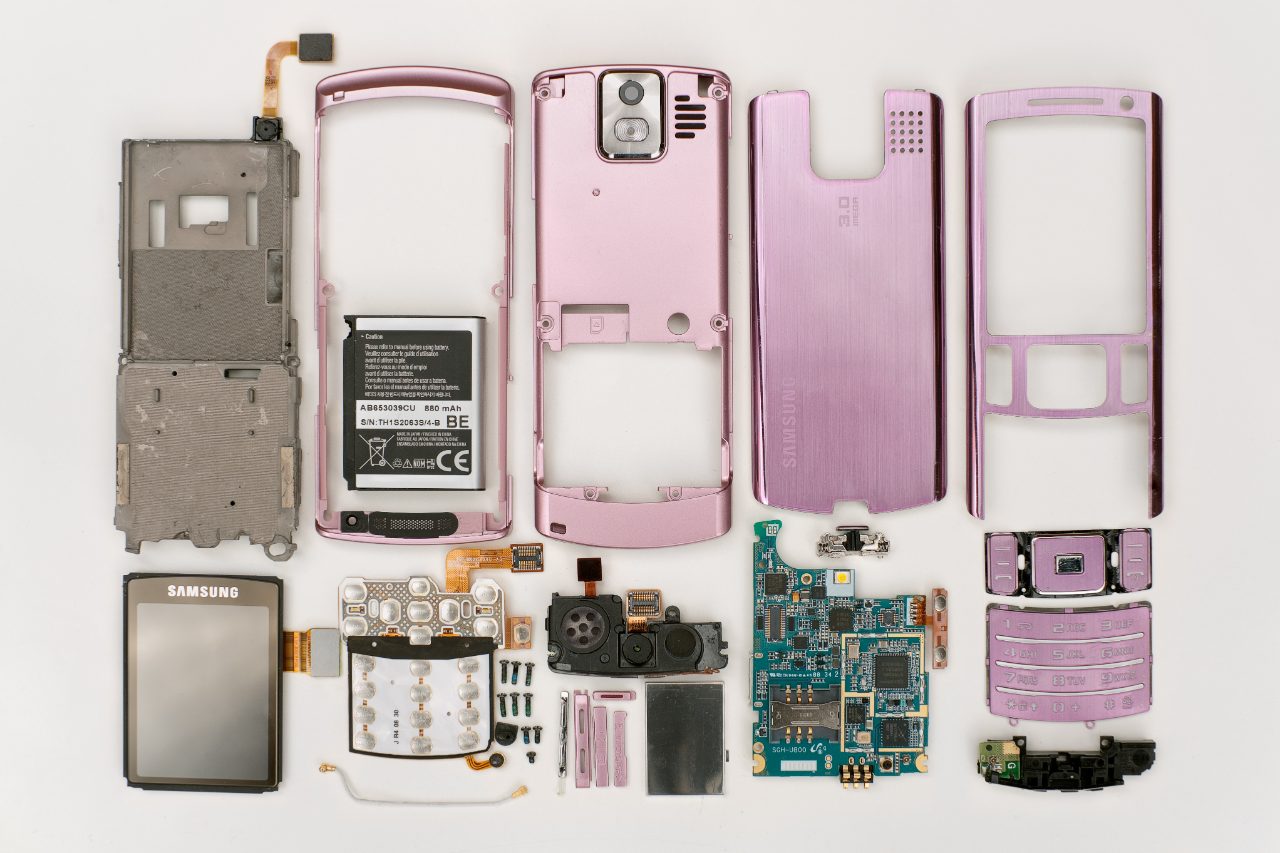
01Mobile Phone Forensics
Acquisition, extraction and analysis of Android and iOS devices, SIM cards and call-detail records.
Training Catalogue · 20 programmes · 5 sectors
DFREC and Axxonet deliver hands-on trainings and workshops in digital forensics, cybersecurity, governance and forensic behavioural science for law enforcement, judiciary and prosecutors, and government CERT teams. Twenty programmes across five sectors, with materials in English, Uzbek and Russian.
Live HUD01Acquisition, extraction and analysis of Android and iOS devices, SIM cards and call-detail records.
 02
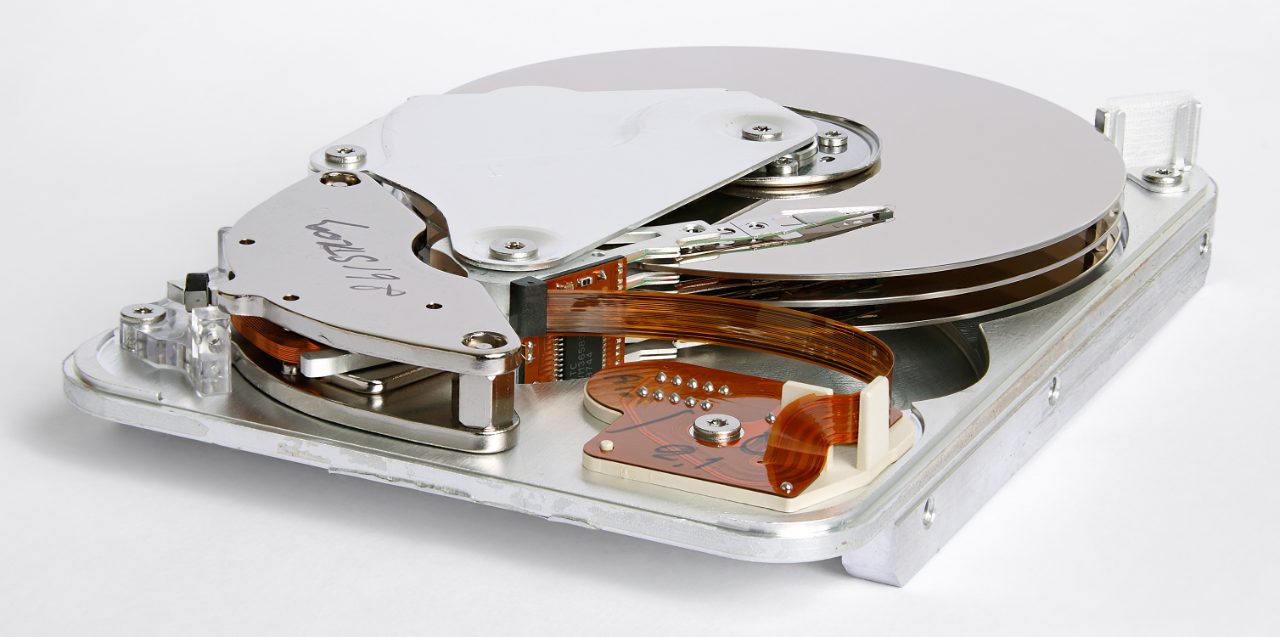
02End-to-end computer forensics: disk imaging, file systems, timelines, chain of custody and forensic lab setup.
 03
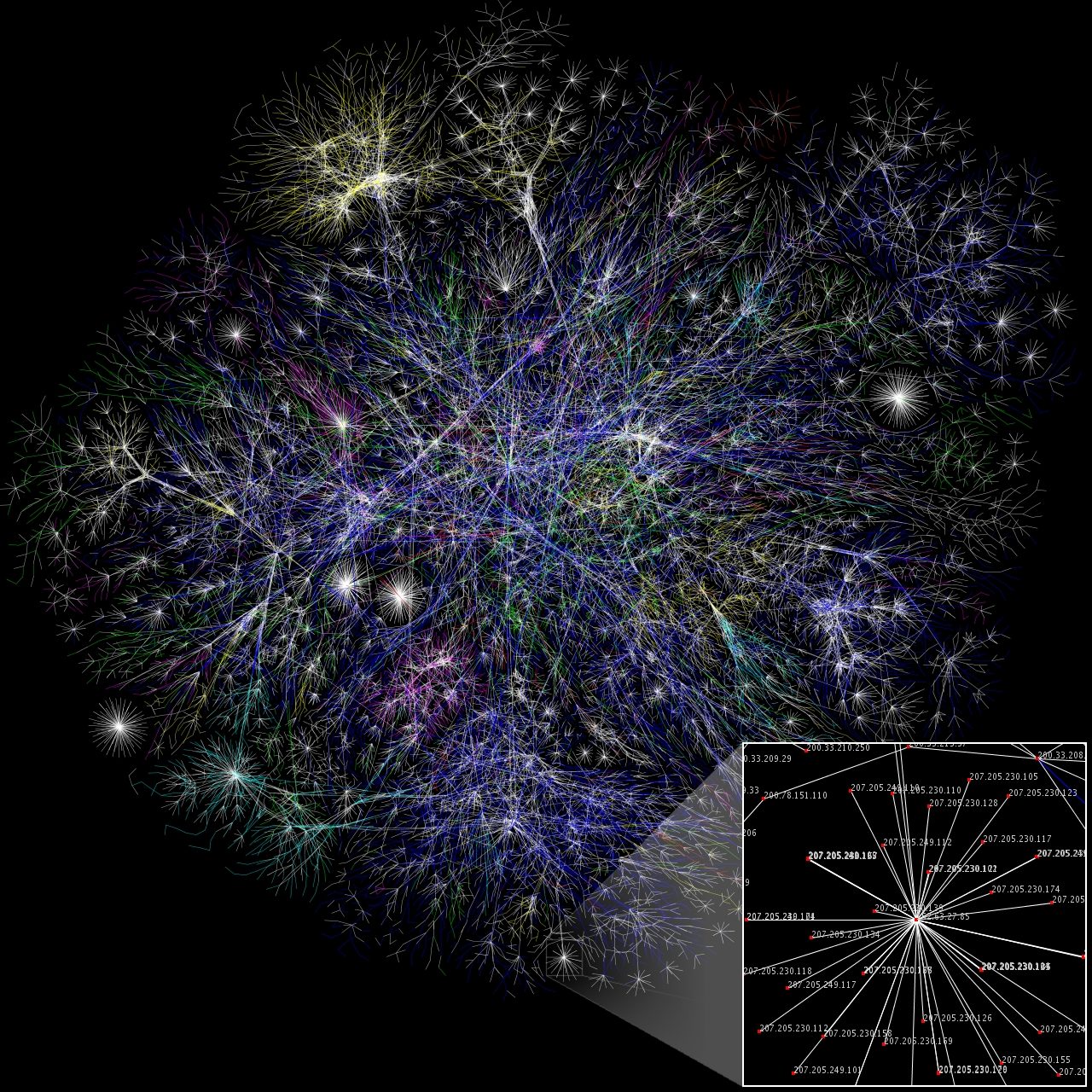
03Packet capture, intrusion detection and prevention with Suricata, Snort and Wireshark; firewalls and honeypots.
 04
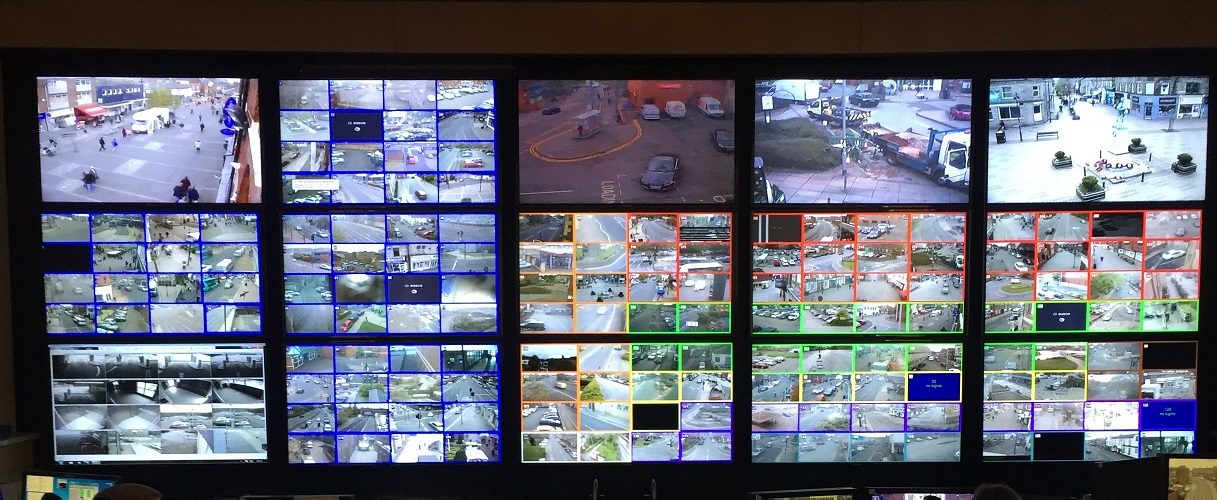
04Building a SOC: log collection, correlation rules, alert triage and incident response with ELK and Splunk.
 05
05Static and dynamic analysis, sandboxing, YARA rules and Ransomware-as-a-Service tradecraft.
 06
06Model adversary behaviour across the kill chain, the Diamond Model and ATT&CK tactics and techniques.
 07
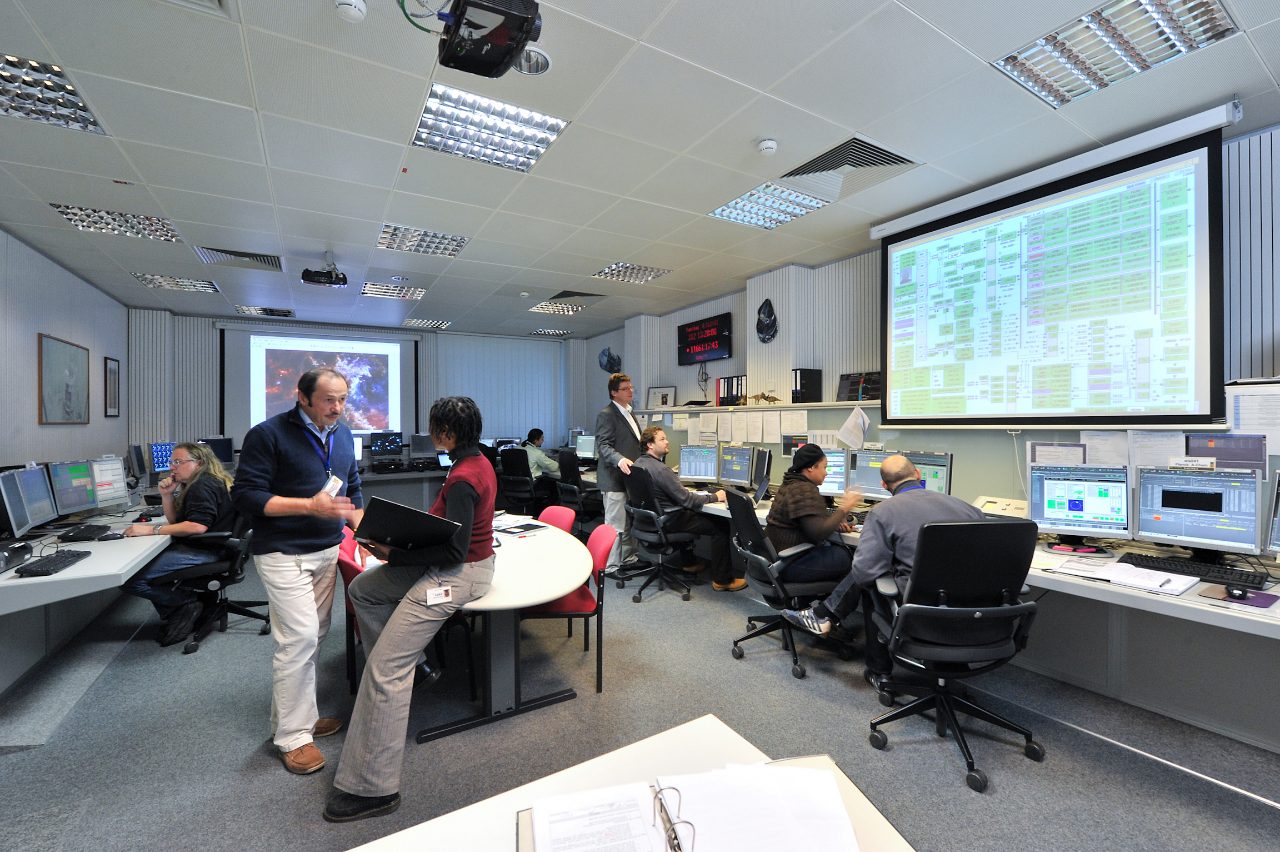
07From APTs and supply-chain attacks to IoCs, attribution, threat hunting and resilience frameworks.
 08
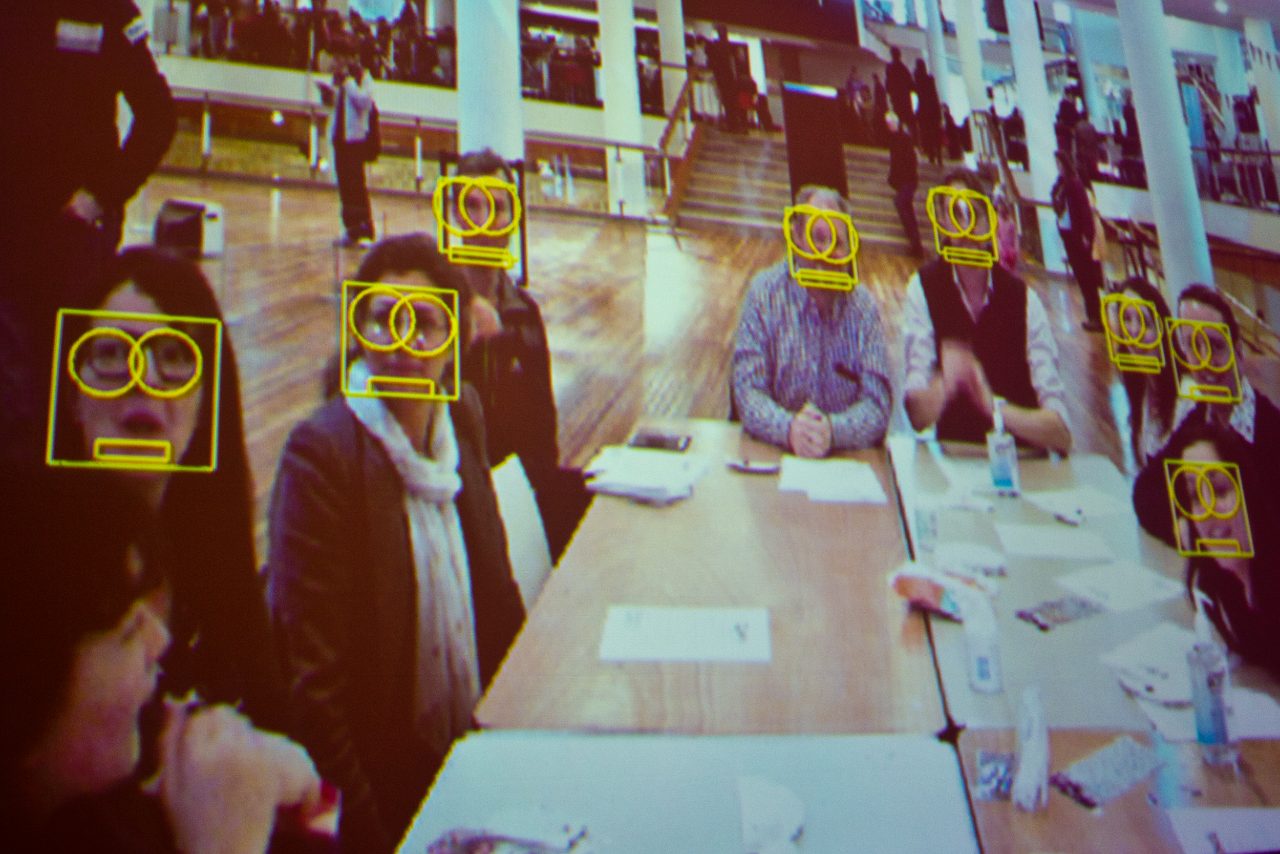
08Detecting AI-generated faces, voices and video: artefact analysis, content provenance (C2PA) and court-ready verification.
 09
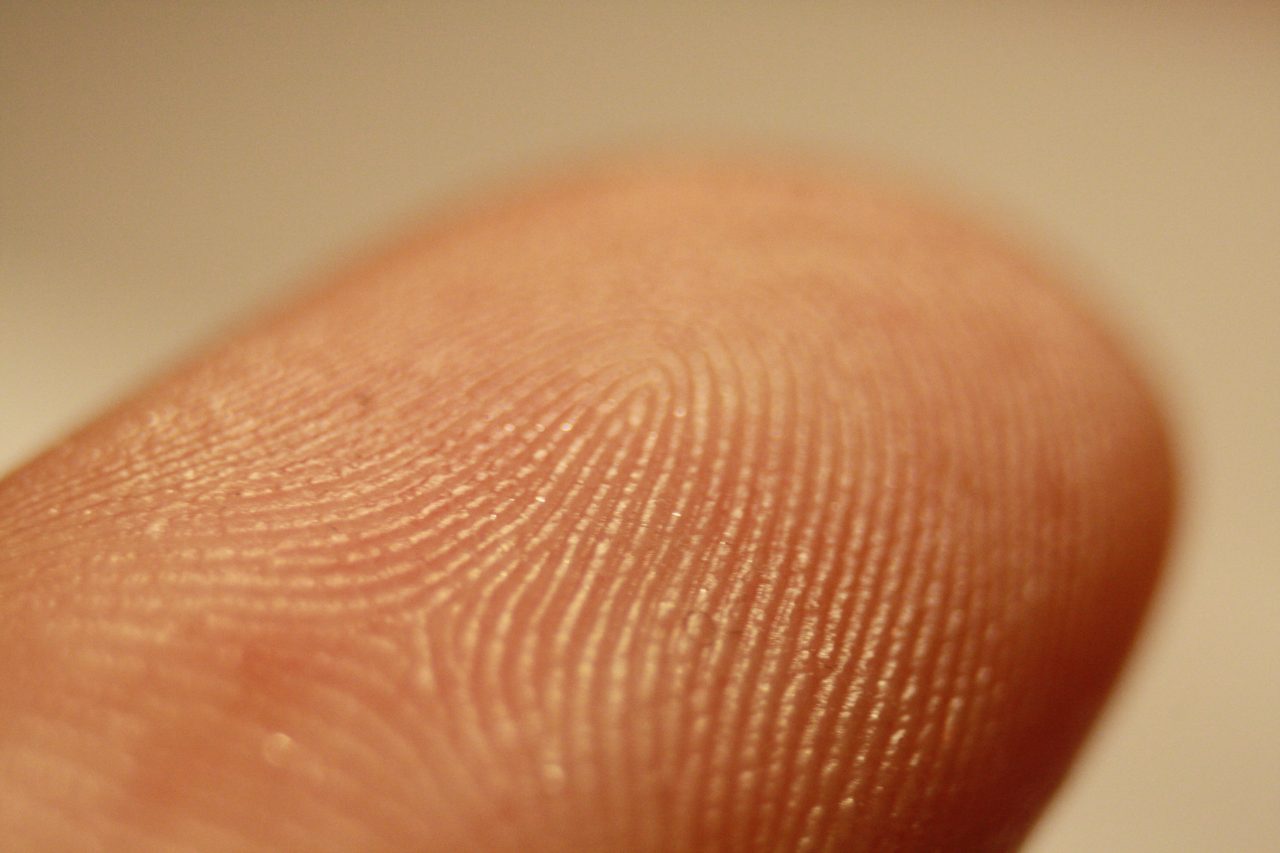
09Open-source and social-media intelligence, Google dorking, Recon-ng and automated reconnaissance pipelines.
 10
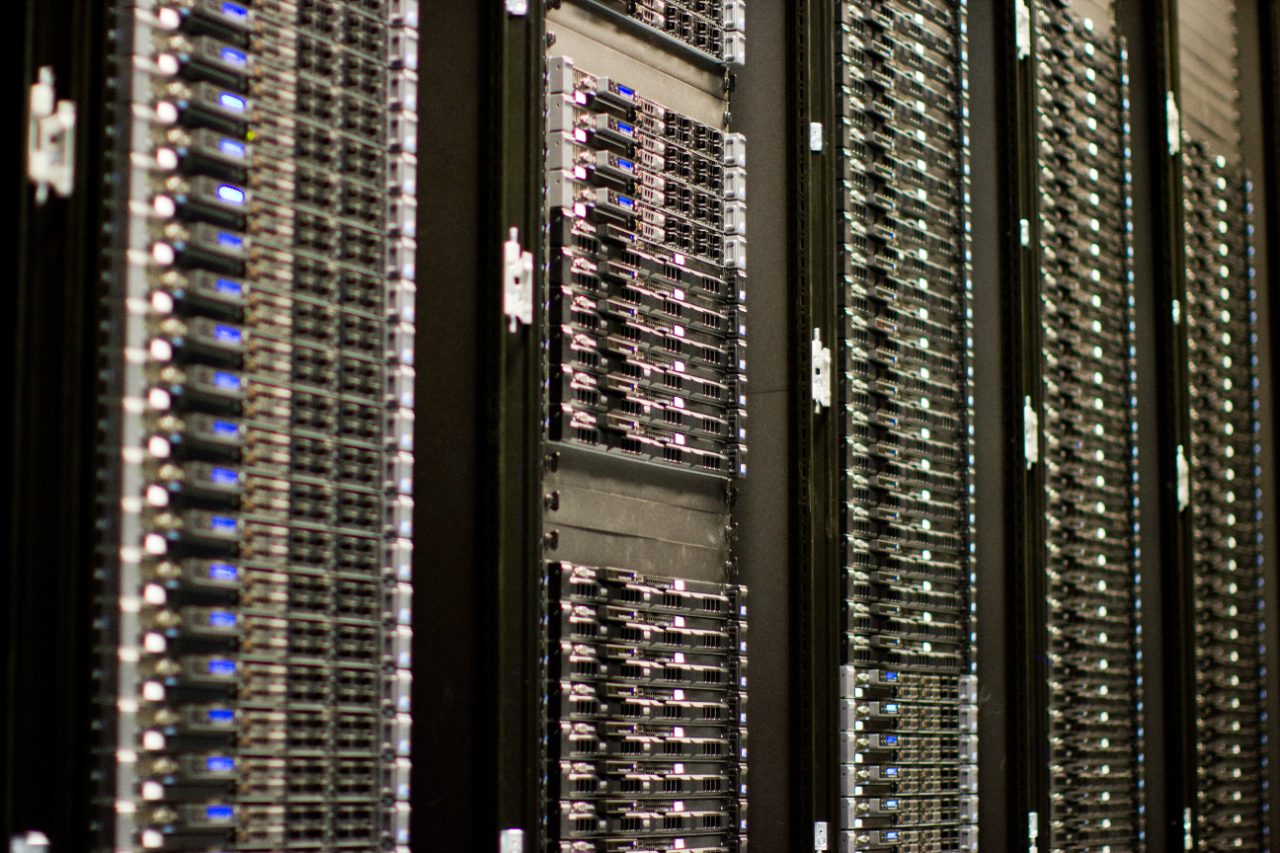
10Hadoop, Kafka, ELK and Splunk for petabyte-scale threat detection, UEBA and anomaly analytics.
 11
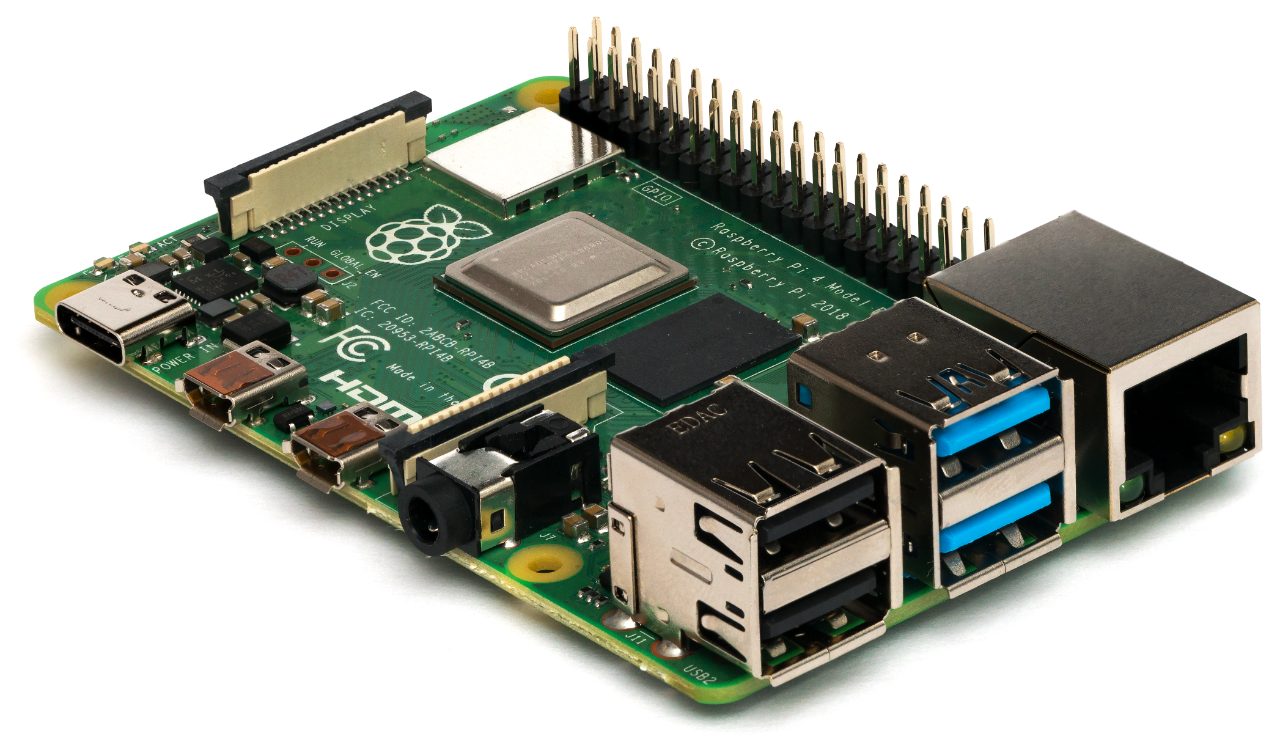
11Following the digital trail: IoT footprints, EXIF metadata, phishing analysis, crypto tracing and dark-web monitoring.
 12
12Modus operandi, victimology and emerging cybercrime trends for investigators and policy makers.
 13
13Governance, risk and compliance: ISMS implementation, ISO 2700x, COBIT and the five functions of the NIST CSF.
 14
14Personal data protection law, privacy by design, consent management and breach-notification duties.
 15
15Cross-border cyber investigations: MLATs, letters rogatory, the Budapest Convention and evidence exchange.
 16
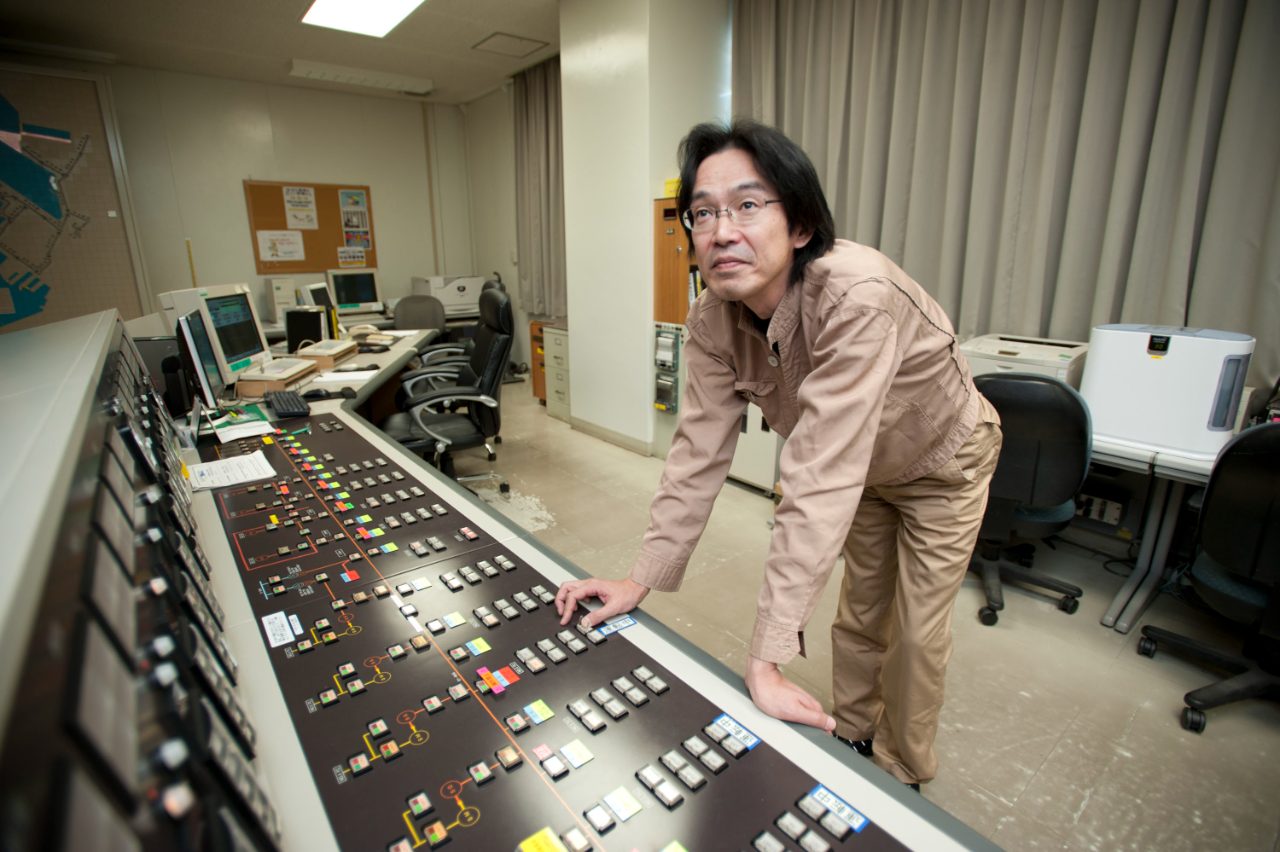
16Securing critical infrastructure: IT/OT convergence, threat modelling and hands-on exercises on a live OT cyber range.
 17
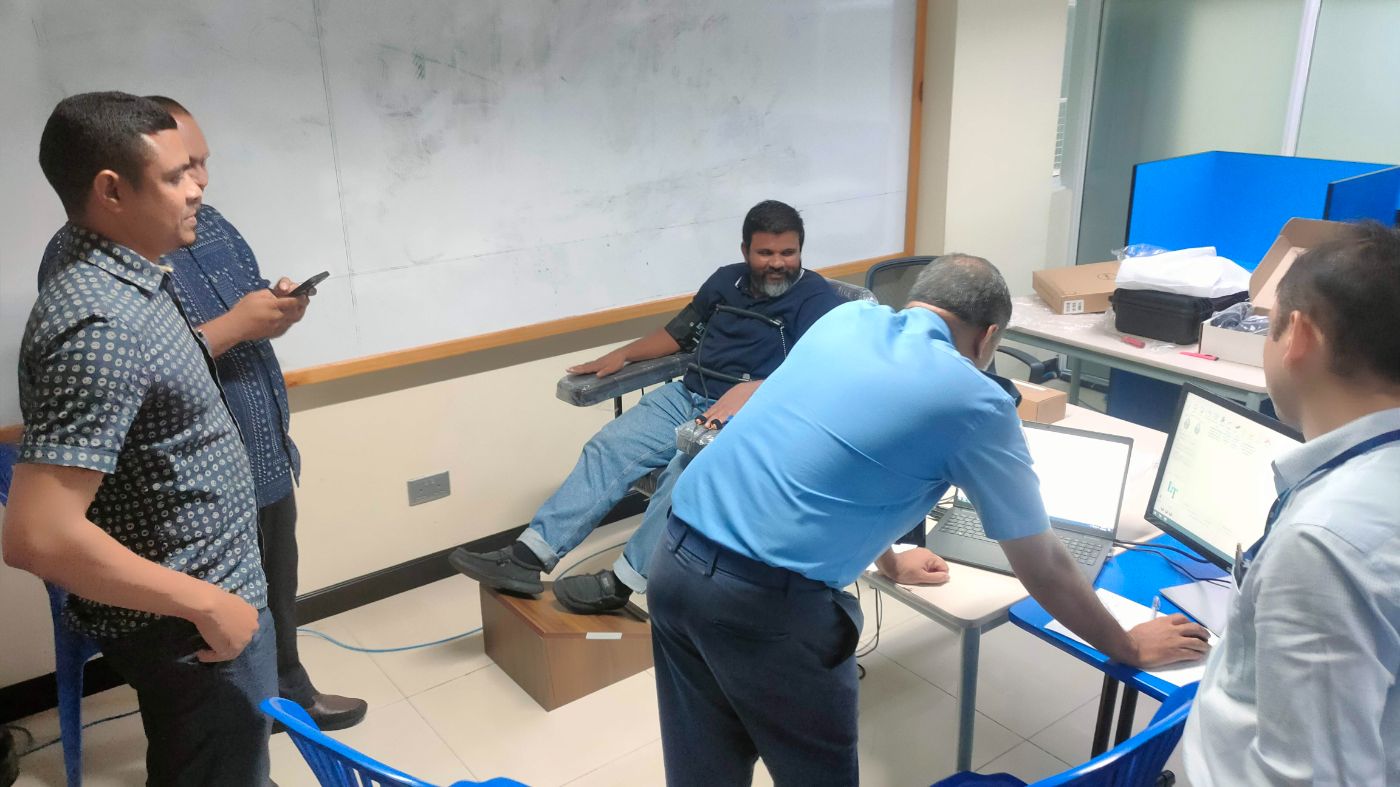
17Brain Electrical Oscillation Signature profiling and forensic psychology for investigators and courts.
 18
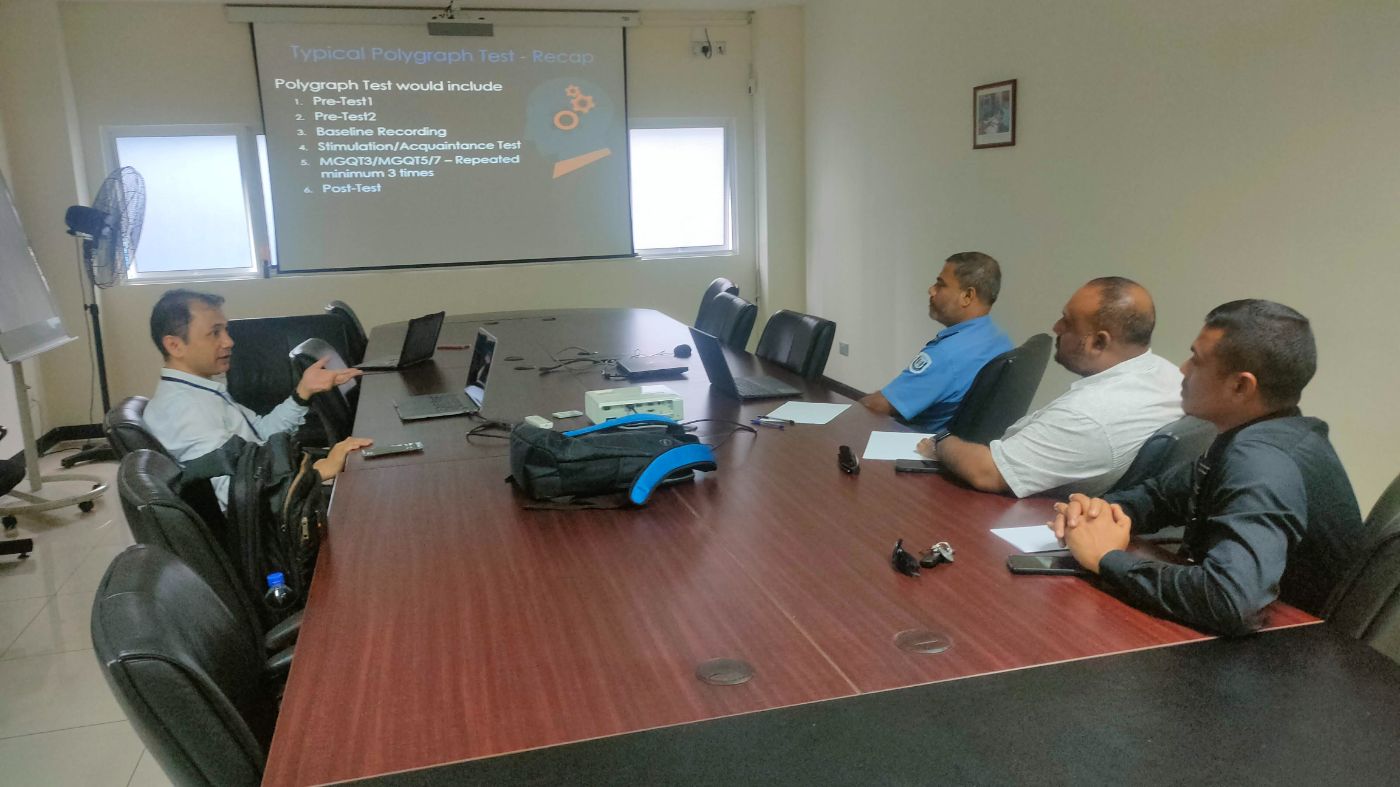
18Neuroanatomy, prefrontal function, psychopathy and emerging neurotechnology in criminal justice.
 19
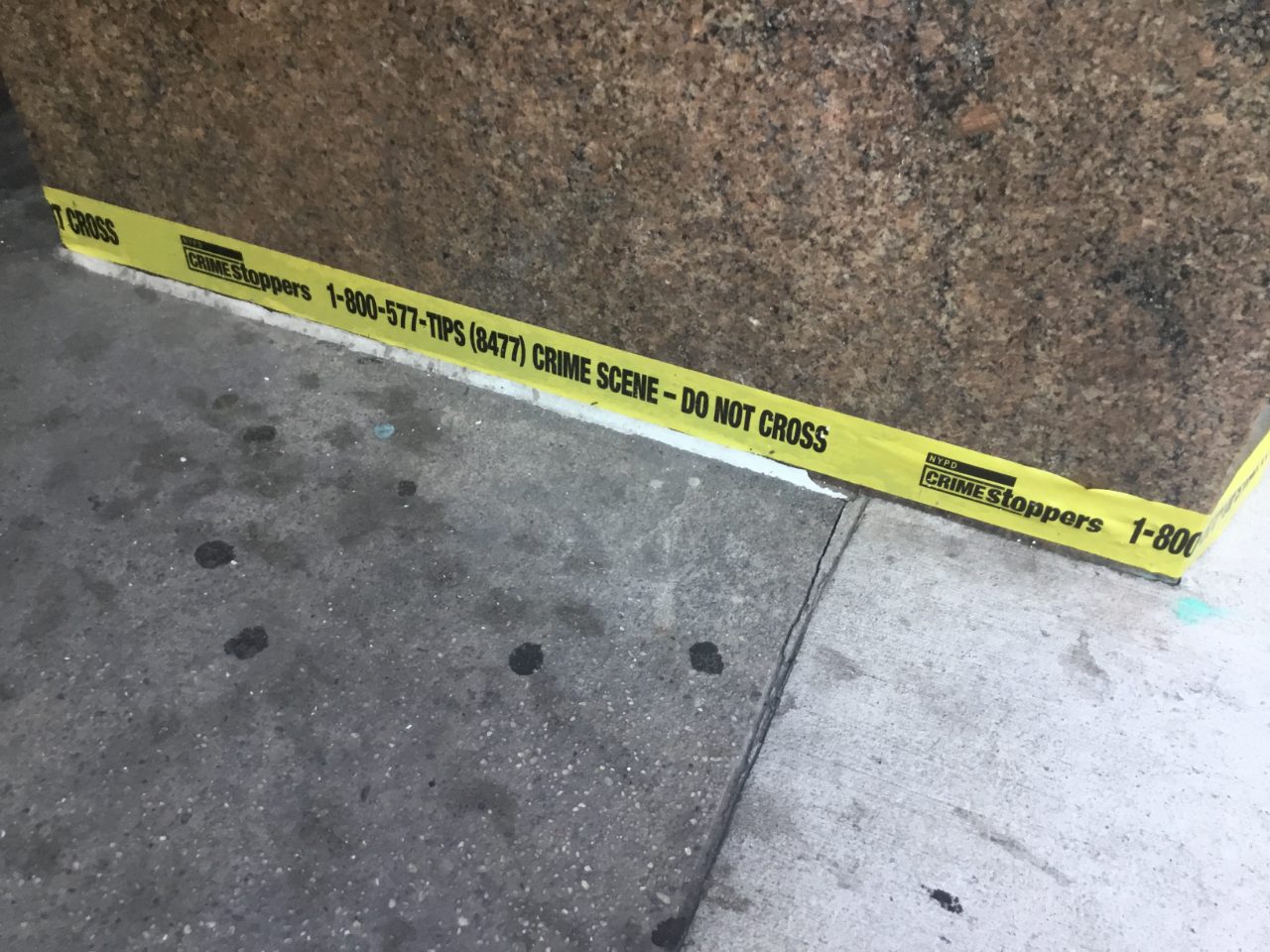
19Reading offender behaviour from the scene: staging, signature, victimology and profiling.
 20
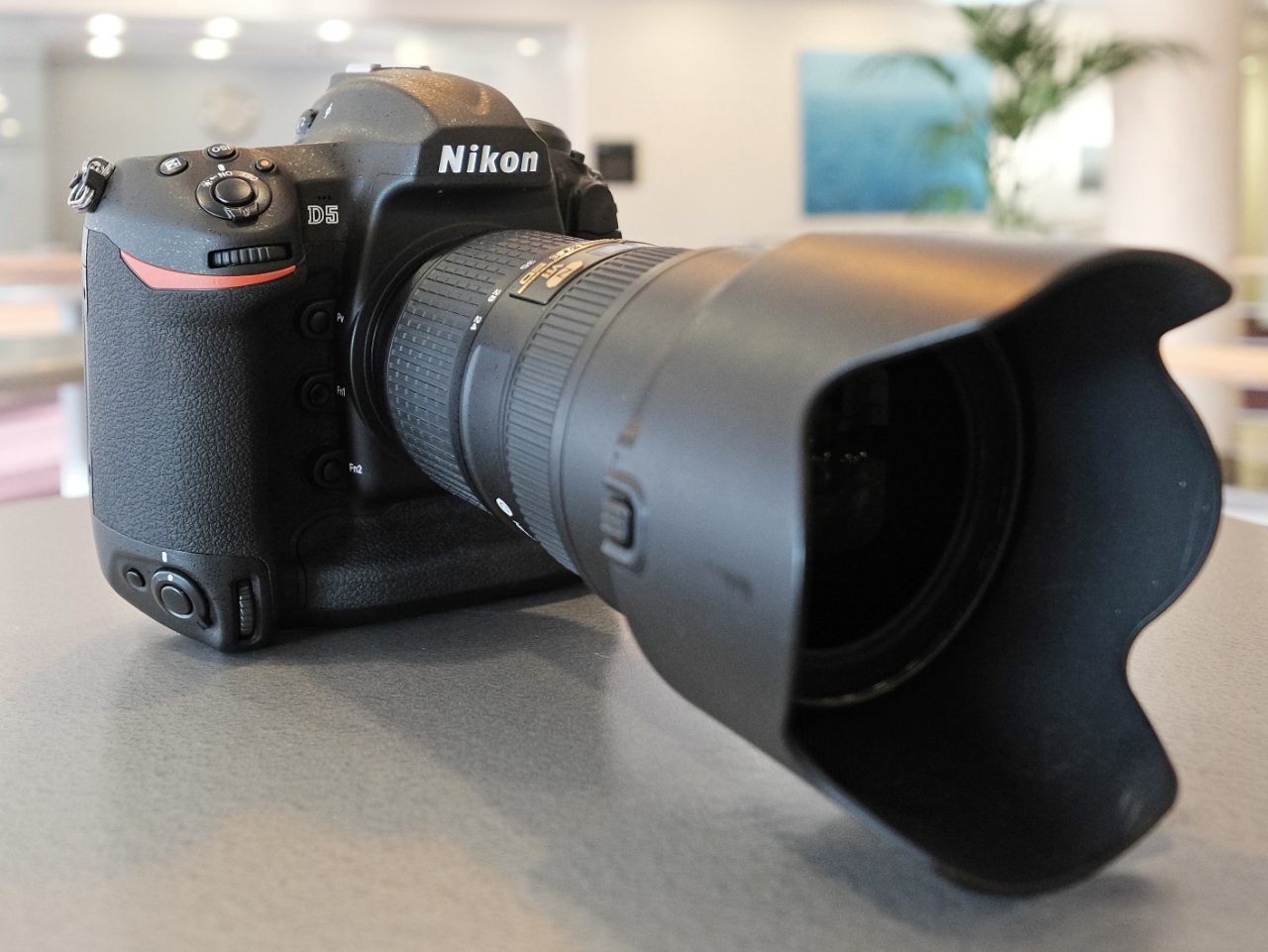
20Documenting scenes and evidence: lighting, scale, macro work, 360° capture and court-ready image handling.
Law-enforcement investigators, judges and prosecutors, government and CERT teams, as well as universities and corporate security teams.
Programme materials and this catalogue are available in English, Uzbek (Latin and Cyrillic) and Russian.
Yes. Programmes combine lectures with hands-on labs using tools such as Autopsy, Volatility, Wireshark, Suricata, ELK and Splunk, OSINT frameworks and a live OT cyber range.